 (254) 776-1030
A sciatic nerve pain specialist can help when pain runs from your lower back into your hip, leg, or foot. Sciatica is common, but it should not be ignored when symptoms last, spread, or get worse. Harvard Health notes that sciatica is not a disease. It is a set of symptoms caused by pressure or irritation near the sciatic nerve.
Many mild cases improve with time, movement, and the right care. But severe pain, weakness, numbness, or bladder changes need fast help. This guide explains when to seek care, what to expect, and how non-surgical care may help.
Table of Contents
What Is Sciatica?

Sciatica is nerve pain that often starts in the lower back. It can move through the buttocks, thigh, calf, and foot. It often affects one side of the body.
The sciatic nerve is the largest nerve in the body. It runs from the lower spine down each leg. Pain can happen when a disc, bone spur, tight tissue, or swelling irritates the nerve.
Common signs of sciatica include:
- Sharp, burning, or shooting leg pain
- Tingling or numbness in the leg or foot
- Lower back pain
- Pain that gets worse when sitting
- Pain that increases when coughing or sneezing
- Leg weakness
Some people also feel vertebrae pain in the lower back. This may happen when the joints, discs, or bones of the spine are part of the problem.
When to See a Sciatic Nerve Pain Specialist
See a sciatic nerve pain specialist if pain does not improve after a few weeks of self-care. You should also seek care sooner if pain affects your sleep, work, walking, or daily tasks.
Get checked if you have:
- Pain lasting more than 4 to 6 weeks
- Pain that spreads below the knee
- Numbness or tingling that does not improve
- Leg weakness
- Pain after a fall or injury
- Back pain with fever or sudden weight loss
- Pain that affects walking, sitting, or sleeping
Get emergency care if you lose bladder or bowel control. Also seek urgent help if you have numbness in the groin or inner thighs. Cleveland Clinic describes cauda equina syndrome as a medical emergency.
Searching for sciatica treatment near me can help you find local care. Choose a clinic that checks your symptoms, movement, strength, reflexes, and medical history before giving a plan.
Who Can Treat Sciatica?
Different providers can help with sciatica. The right choice depends on your symptoms and how long they have lasted.
| Specialist | How They Help |
|---|---|
| Chiropractor | Uses manual care, movement advice, and spine-based care |
| Physical therapist | Builds safe exercise plans for strength and movement |
| Primary care doctor | Checks symptoms, gives medicine advice, and refers when needed |
| Pain specialist | May offer injections for lasting nerve pain |
| Spine surgeon | Helps when severe nerve pressure needs surgery |
Most care starts with non-surgical steps. Surgery is usually reserved for severe pain, lasting symptoms, or worsening nerve problems. Urgent surgery may be needed for rare red flag cases, such as cauda equina syndrome.
How Is Sciatica Treated Without Surgery?
How Sciatica Is Treated Without Surgery
Most care starts with low-risk steps matched to the cause, pain level, and health history.
Home Care
Short rest may help early. Use ice first, then heat as sharp pain eases. Short walks, gentle stretches, and safe pain relief may also help.
Physical Therapy
Therapy may include core strength, hip and leg stretches, posture training, safer lifting practice, and nerve glide exercises.
Chiropractic Care
Manual therapy may help some people when paired with exercise, at-home movement, and clear daily activity guidance.
Injections
A specialist may suggest injections when pain is severe, lasting, or limiting daily life. They are not first-line care for everyone.
Seek urgent help for severe weakness, numbness, worsening pain, or bladder or bowel changes.
Most sciatica care starts with simple, low-risk steps. A care plan should match the cause, pain level, and health history.
Home Care
Short rest may help during the first few painful days. Long bed rest can make pain worse. Harvard Health notes that staying inactive too long may slow recovery.
Helpful home steps may include:
- Ice during the first 48 to 72 hours
- Heat after sharp pain starts to ease
- Short walks
- Gentle stretches
- Over-the-counter pain relief, if safe for you
Ask a provider before taking medicine if you have kidney disease, ulcers, blood pressure issues, or take blood thinners.
Physical Therapy
Mayo Clinic states that physical therapy may include posture work, core strength, and range-of-motion exercises. These steps can support the spine and help lower future injury risk.
A physical therapy plan may include:
- Core strength
- Hip and leg stretches
- Safe lifting practice
- Posture training
- Nerve glide exercises
This can help people who sit for long hours, lift at work, drive often, or play sports.
Chiropractic Care
Chiropractic care may help some people with low back pain and sciatica. NICE guidelines support manual therapy, such as spinal manipulation, only as part of a treatment package that includes exercise.
This implies that the plan should not consist solely of modifications. Movement therapy, at-home workouts, and explicit guidance on daily routines are frequently components of the best care.
Some patients who require pain relief from scoliosis may also benefit from chiropractic care. Adults’ curves are not straightened by it. However, when taken according to the proper strategy, it may help lessen pain, stiffness, and muscular strain.
Injections
Some people need more care when pain does not improve. A pain specialist may suggest an epidural steroid injection. Mayo Clinic notes that these injections place medicine near the nerve root to reduce pain in some cases.
Injections are not the first step for every patient. They are often used when pain is severe, lasting, or blocking daily life.
Is Chiropractic Care Effective for Sciatica?
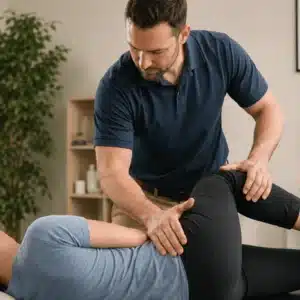
Chiropractic care may help some patients with sciatica. It works best when it is part of a full care plan. That plan may include movement, stretching, strength work, and daily habit changes.
A good chiropractor should check for red flags first. They should also explain what may be causing the pain. If symptoms suggest a serious issue, they should refer you for medical care.
Look for a clinic that does not promise a cure. Sciatica has many causes. The best care starts with a clear exam and a plan that fits your symptoms.
What does a sciatic nerve pain specialist do?
A sciatic nerve pain specialist checks the cause of your pain. They review your symptoms, spine movement, strength, and reflexes. They may suggest exercises, manual care, medicine advice, or a referral. The goal is to ease pain and help you move safely.
How do I find sciatica treatment near me?
Look for a nearby clinic that specializes in treating nerve and spine pain. Seek out unambiguous evaluations, appropriate licenses, and prior sciatica experience. Find out if the supplier looks for red signs, strength, and reflexes. Your care plan should be explained in simple terms by a good clinic.
Can sciatica be brought on by spinal pain?
Indeed, sciatica can cause spinal pain. The lower spine’s discs, joints, or altered bones could be the source of the pain. Nearby nerve roots may become irritated by these problems. A thorough examination aids in determining the likely cause.
Can chiropractic care help with scoliosis pain relief?
Chiropractic care may help with scoliosis pain relief for some people. It may reduce stiffness, muscle tension, and joint stress. It does not correct the spinal curve in adults. A safe plan should include movement, strength work, and regular checks.
When is sciatica serious?
When sciatica results in increasing numbness, weakness, or loss of control over one’s bowels or bladder, it is considered a dangerous condition. Care is also required for severe pain following an injury. Another serious warning symptom is numbness in the groin. These symptoms require immediate medical attention.
How long does it take for sciatica to get better?
In four to six weeks, many mild cases become better. Depending on the cause, some cases take longer. Long-term nerve irritation or large disc problems may require additional care. Recovery can be aided by maintaining a moderate level of activity and selecting the appropriate strategy.
Although sciatica can be painful, surgery is not usually necessary. A thorough examination, safe mobility, and a strategy tailored to your symptoms are the first steps in receiving the proper care. It’s time to get assistance if discomfort persists, spreads, or interferes with day-to-day activities.
Book Now to speak with a sciatic nerve pain specialist and start a care plan built around your spine, symptoms, and goals.