 (254) 776-1030

Ever stand up after a long drive and feel a pull beside your spine? That kind of lower back pain may come from overworked erector spinae muscles. Here’s what causes the discomfort and what you can do about it.
Table of Contents
What Is the Erector Spinae Muscle?
Three muscles run along each side of your spine:
- Iliocostalis
- Longissimus
- Spinalis
They help you stand, turn, and straighten your back.
How Erector Spinae Pain Can Cause Lower Back Pain
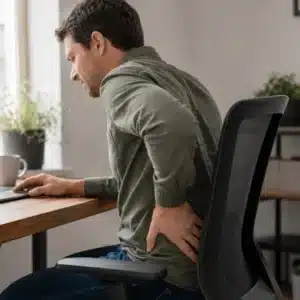
Erector spinae pain often feels like a deep ache beside the spine. It mSoreness near your waist may make bending hurt. But lower back pain can also come from discs, joints, or nerves.
What Causes an Erector Spinae Strain?
A back strain happens when muscle fibers stretch too far or tear. Sometimes, it’s something as ordinary as:
- Picking up a box that’s heavier than expected
- Turning while carrying groceries
- Getting back into exercise after a long break
- Bending over and over while doing housework
Sitting at a desk all day can leave your back stiff, too. That doesn’t always mean you’ve strained a muscle.
Tight Erector Spinae Symptoms
You might notice soreness beside your spine when you get out of bed or turn around. Sometimes, the muscles tighten up in a spasm. A stiff back doesn’t always need more stretching.
Muscle Pain vs. Nerve Pain
| Muscle-related signs | Possible nerve-related signs |
| Deep, local soreness | Sharp or burning pain |
| Tenderness when touched | Pins and needles in a leg |
| Stiffness when standing up | Leg numbness or weakness |
These symptoms can overlap, so an exam may be needed to tell them apart.
Thoracic vs. Lower Back Erector Spinae Pain
Thoracic pain affects the mid back. Lumbar pain affects the waist area. Both may worsen after lifting or sitting.
How to Relieve Thoracic Pain From Spinal Erector Muscles
Many people ask, “How can I relieve thoracic pain related to spinal erector muscles?”
Step into it slowly. Don’t lie in bed for days. Long rest can delay recovery. Back strain. Cleveland Clinic suggests returning to normal activity as tolerated.
How to Relieve Thoracic Pain
Apply Ice Early
If the pain is new or sharp, apply ice for the first 24 to 48 hours.
Use Heat Later
Heat may help ease stiffness and spasms after the initial phase.
Keep Moving
Try short walks and light daily activity instead of staying in bed too long.
Avoid Hard Lifting
Give the sore area time to settle before lifting heavy items again.
Stretch Gently
Use light stretches only. Avoid deep, forceful, or painful stretching.
Build Strength Gradually
Over time, strengthen your core, hips, and back for better support.
Fix Your Setup
Raise your screen, support your lower back, and take small posture breaks.
Apply Ice Early
Just hurt your back? You could try holding a cold pack against the sore area for 10 to 15 minutes. Wrap it in a towel first so the ice doesn’t touch your skin.
Use Heat Later
Some people find a little warmth more soothing when their back feels tight. A warm pack is fine, but don’t put it straight against your skin. Take it off if it starts feeling too hot.
Keep Moving
Been sitting for a while? Get up and walk around the room. Even a few minutes can help break up long periods of sitting.
Avoid Hard Lifting
Leave the heavy laundry basket or yard work for another day if lifting hurts. Give your back time to settle before taking on heavier tasks.
Stretch Gently
Your back shouldn’t hurt more after stretching. Give these movements a try when you feel comfortable enough:
- Cat-cow, eight reps: Get on all fours. Round your back, then gently arch it.
- Knee-to-chest, twice per leg: Lie on your back. Hug one knee for 20 seconds.
- Pelvic tilts, ten reps: Lie with knees bent. Flatten your lower back, then release.
If a movement makes your pain sharper or sends it down your leg, stop doing it.
Build Strength Gradually
Once the sharp pain has eased, try adding a little strength work three days a week:
- Bridge, eight reps: Lie on your back with your knees bent. Lift your hips, squeeze your buttocks, then lower slowly.
- Bird dog, five per side: Balance on your hands and knees. Reach one arm forward and the opposite leg back. Hold for three seconds before switching sides.
Both movements appear in the American Academy of Orthopaedic Surgeons’ spine exercise guide. If you’re healing from an injury, ask your clinician which exercises are safe.
Fix Your Setup
Take a look at how you’re sitting right now. Are your feet reaching the floor? Is your screen making you lean forward?
- Chair: Push your hips toward the back of your seat and let the backrest support your lower spine. If your feet don’t quite reach the floor, try a footrest.
- Screen: You should be able to look at your monitor without raising your chin. Set it at least 20 inches away, with the top at or just below eye level.
- Keyboard: Move it close enough that you aren’t reaching forward to type. Let your elbows rest near your sides and keep your wrists straight.
- Laptop: Working on one all day? Raise the screen and plug in a separate keyboard and mouse.
- Breaks: Get out of your chair each hour. A quick trip to get water or walk around the office counts.
These tips follow OSHA’s guidance for a more comfortable desk setup.
Can a Chiropractor Help With Muscle Pain?

Yes, a chiropractor can help with some cases of muscle-related A visit usually starts with questions about where your back hurts and when the trouble began. Your chiropractor may also check which movements feel stiff or painful. From there, they can discuss hands-on care, exercises, or changes to your daily routine. A 2026 Cochrane review found that spinal manipulation may offer small benefits for long-term lower back pain.
When to Seek Care
Seek care for severe pain, fever, weakness, or injury. Seek emergency care for groin numbness or changes in bladder or bowel control.
What is an erector spinae strain?
It’s an injury to muscles beside your spine. Lifting or twisting can trigger it. Pain, spasms, and stiffness may follow.
What does erector spinae pain feel like?
It may feel like a dull ache along your back. Some people feel a sharp catch when bending. The pain may be near your ribs or waist.
How can I relieve thoracic pain related to the spinal erector muscles?
You don’t have to force yourself through a painful stretch. Try taking a short walk around the house first and see whether your back loosens up. If the pain started after a recent strain, a cold pack might feel better than heat.
Can a chiropractor help with muscle pain?
During your visit, a chiropractor may ask when the pain started and check how you bend or turn. They might suggest exercises you can do between visits. The care you receive should depend on your symptoms and exam findings.
When should I worry about erector spinae pain?
Did the pain start after a bad fall, or has it been getting worse instead of better? Those are good reasons to have your back checked. Fever or new weakness also needs medical care, while groin numbness or loss of bladder or bowel control needs emergency attention.
What are the best stretches for tight erector spinae muscles?
Cat-cow is one movement worth trying when your back feels stiff. You can also lie down and bring one knee toward your chest, holding it for a few seconds. Don’t pull hard or keep stretching if it starts to hurt.
How long does an erector spinae strain take to heal?
Many mild back strains improve within about two weeks, says Cleveland Clinic. Severe strains take longer. See a clinician if pain persists or limits daily tasks.
How should I set up my desk to prevent lower back strain?
Sit with your feet resting on the floor and your lower back supported. Keep your screen in front of you so you’re not turning your head or leaning toward it all day. Place your keyboard within easy reach, and make time to get up and move around.
A sore back can make daily chores harder. Movement, strength work, and desk changes can help. For lasting pain, explore our lower back pain care and book an appointment with Heart of Texas Chiropractic.