 (254) 776-1030
Sharp pain shooting down your arm. Tingling in your fingers that won’t stop. Numbness that makes simple tasks hard. These are signs of a pinched nerve. The good news? Pinched nerve treatment works, and you don’t need surgery to feel better.
A pinched nerve happens when tissues press too hard on a nerve. Bones, muscles, or discs can cause this pressure. The result is pain, weakness, or that “pins and needles” feeling. Getting the right care early helps you heal faster and avoid long-term problems.
Table of Contents
What Is a Pinched Nerve?
When a nerve gets squeezed, it can’t work right. This causes symptoms like:
- Sharp or searing pain at the pinch point
- Tingling or numbness in the affected area.
- Muscle weakness if the nerve remains squeezed.
- Pain creeps down your arm or leg.
Common causes include herniated discs, bone spurs, and repetitive motions. The neck and lower back are the most common spots. A neck nerve can cause arm pain. A lower back nerve can shoot pain down your leg.
Most mild cases heal with basic care. But ignoring symptoms for months can lead to permanent nerve damage. That’s why early nerve compression treatment matters.
According to UPMC Health, nerve damage can start after just 1-3 months of compression. Don’t wait until the problem gets worse.
Signs You Need to See a Chiropractor
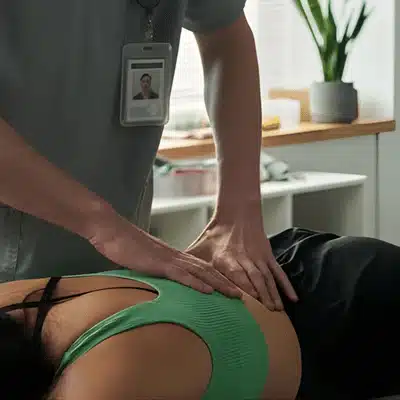
Try rest and ice first for mild symptoms. But see a pinched nerve chiropractor if you have:
Severe Pain That Keeps Getting Worse
Mild nerve pain may improve with rest, ice, and less strain on the area. But pain that grows sharper, spreads farther, or starts to feel constant should not be ignored.
This may mean the nerve is still under pressure and not healing on its own. At that point, professional pinched nerve treatment may help relieve pressure before symptoms get worse.
Numbness or Weakness That Does Not Improve
A pinched nerve can affect how well your muscles and nerves work together. You may notice your hand feels clumsy, your grip feels weak, or part of your arm or leg feels numb.
When these symptoms do not improve, the nerve may be more irritated than you think. Early pinched nerve treatment can help address the cause before weakness or numbness lasts longer.
No Relief After 1 to 2 Weeks of Home Care
Many mild cases improve with simple steps like rest, ice, gentle stretching, and avoiding painful movements. But if you have been careful for a week or two and nothing is changing, the problem may need more than home care.
A chiropractor can assess whether joint restriction, poor posture, muscle tension, or spinal misalignment is adding to the nerve pressure. In many cases, targeted pinched nerve treatment can help restore motion and reduce pain.
Trouble With Daily Tasks Like Walking or Lifting
When a pinched nerve starts affecting your normal routine, it is a sign the problem is becoming more serious. You may struggle to turn your head, lift groceries, sit comfortably, walk without pain, or use your arm normally.
These limits can affect work, driving, exercise, and simple chores at home. Pinched nerve treatment may help improve function so daily tasks feel manageable again.
Bladder or Bowel Problems Need Emergency Care Right Away
Loss of bladder or bowel control is not a routine pinched nerve symptom. It can point to a serious nerve problem that needs urgent medical attention right away.
If this happens along with severe back pain, numbness in the saddle area, or sudden leg weakness, do not wait for a chiropractic visit. Emergency care should come before any other form of pinched nerve treatment.
A chiropractor trained to treat nerve-related pain can look for the true source of the problem instead of only treating the symptoms. After an exam, they can build a care plan to reduce pressure on the nerve, improve movement, and support healing.
Cleveland Clinic notes that symptoms lasting more than a week may need medical attention. Early care can help prevent the problem from getting worse.
Looking for a pinched nerve specialist near me? Chiropractic care offers a drug-free, non-surgical option that may help relieve pressure and improve function.
How Chiropractic Care Helps
Chiropractors take a whole-body approach to healing. Here’s what to expect:
Complete Assessment
Your chiropractor checks your symptoms, medical history, and spine alignment. They test reflexes, strength, and sensation.
This finds the exact cause of your nerve compression. Is it a misaligned bone? A bulging disc? Tight muscles?
Custom Treatment Plan
Based on your needs, they create a personalized plan. Spinal adjustments are the main tool.
The chiropractor applies controlled force to realign your spine. This frees the trapped nerve. Many patients feel relief right away.
Extra Support
Your treatment may include:
- Soft tissue work to relax muscles
- Traction to decompress the spine
- Exercise advice for home
- Posture tips to prevent re-injury
Following these recommendations helps you stay pain-free long-term.
Ongoing Prevention
Most acute cases improve in a few sessions. Your chiropractor tracks your progress.
Regular check-ups after you heal can keep problems from coming back. Staying active and doing your exercises makes a big difference.
How long does pinched nerve treatment take to work?
Many patients feel relief within a few chiropractic sessions. Full healing typically takes 2-6 weeks with consistent care and rest.
Best Pinched Nerve Treatment Options

Most pinched nerves heal without surgery. Cleveland Clinic reports that time and conservative care usually do the trick. Here are proven treatments:
Rest and Changes to Your Routine
Stop activities that make the pain worse. Take breaks from repetitive tasks. Fix your workspace setup if needed.
A brace or splint may help. It keeps the area still while you heal.
Ice and Heat
Ice reduces swelling in the first 48 hours. Heat relaxes tight muscles after that.
Use either for 15-20 minutes at a time. Don’t apply directly to skin.
Gentle Stretches
Careful stretches can create space around the nerve. Neck tilts or back stretches may help.
Stop if any movement increases pain. Ask a professional for safe exercises.
Physical Therapy
Exercises strengthen muscles around the nerve. This relieves pressure and prevents future problems.
A therapist teaches you proper form and safe movements. Building strength is key to lasting relief.
Chiropractic Adjustments
This is where pinched nerve treatment really shines. A chiropractor uses targeted spinal adjustments to fix misalignments.
These adjustments take pressure off the nerve at its source. No drugs. No surgery. Just hands-on care that helps your body heal.
A study in the Journal of Manipulative and Physiological Therapeutics found impressive results. After 3 months, 86.5% of patients who got spinal adjustments improved. Only 49% improved with injections.
Modern guidelines support this approach. Medical experts widely recommend spinal manipulation for spine-related pain.
Can a chiropractor fix a pinched nerve?
Yes. Chiropractors use spinal adjustments to correct misalignments causing nerve compression. Research shows this is highly effective for nerve-related pain.
Is chiropractic care safe for pinched nerves?
Very safe when done by a licensed professional. Chiropractic adjustments are non-invasive and carry minimal risk compared to surgery or long-term medication use.
What happens if I don’t treat a pinched nerve?
Untreated compression can cause permanent nerve damage after 1-3 months. You may develop lasting weakness, numbness, or chronic pain.
Do I need an MRI before seeing a chiropractor?
Not always. Your chiropractor will examine you first and order imaging only if needed to guide treatment.
Can pinched nerves come back after treatment?
They can if you return to bad habits. Following your chiropractor’s advice on posture, exercise, and ergonomics helps prevent recurrence.
Get Relief Today
A pinched nerve can turn simple days into constant pain, tingling, and weakness. At Heart of Texas Chiropractic in Waco, Dr. Marilyn Goodman, BSN, BSA, DC, provides gentle chiropractic care focused on reducing nerve pressure and improving function with drug-free, non-surgical care.
You will not receive a one-size-fits-all strategy. Dr. Goodman creates a specific care plan that may include posture correction, stretches, and low-impact exercises, so you are not just chasing symptoms. She is also qualified in the Activator technique and Advanced Proficiency Rated, allowing her to provide a precise and gentle approach for a wide range of patients.
Choose the next step that gets you moving again. Book your pinched nerve evaluation at Heart of Texas Chiropractic and get a clear plan for relief.