 (254) 776-1030
Scoliosis is a sideways curve of the spine that often causes chronic back pain. Many adults with scoliosis deal with ongoing discomfort. Back pain is one of the main complaints in adults with this condition, according to Medical News Today. If you’re seeking scoliosis pain relief, knowing when to get help matters. This guide covers when to seek care, what non-surgical options work, and how chiropractic care helps manage pain safely.
Table of Contents
When to Seek Care for Scoliosis Pain Relief

Not everyone with scoliosis has pain. But for those who do, getting help at the right time is key. Here are clear signs you need care:
Pain lasting more than two weeks: If rest and over-the-counter meds don’t help after 1-2 weeks, seek professional care. Early help can stop pain from getting worse.
Chronic pain (over 6 weeks): Pain lasting more than six weeks is chronic. It can change how your nerves process pain signals. A scoliosis pain relief chiropractor can help manage this effectively.
Pain affecting your daily life: If pain interferes with work, sleep, or activities you enjoy, don’t ignore it. You deserve relief that restores your quality of life.
Nerve-related symptoms: Watch for red flags like:
- Shooting pain down your legs
- Numbness or tingling in arms or legs
- Muscle weakness
- Changes in bowel or bladder control
These signs may mean nerve compression. See a doctor or chiropractor right away.
Preventative check-ups: Even without severe pain, regular care helps. Keeping your spine healthy beats waiting until symptoms worsen.
Non-Surgical Scoliosis Pain Relief Options
Good news: many non surgical scoliosis pain relief methods work well. Start with conservative treatments before considering surgery. Here are your main options:
Chiropractic Care
Chiropractic care is a top choice for scoliosis pain. A chiropractor performs gentle spinal adjustments to improve alignment. These adjustments reduce tension and relieve nerve pressure.
While chiropractic can’t straighten your curve, it eases discomfort and improves mobility. Treatment plans often include:
- Soft tissue therapy
- Stretching exercises
- Lifestyle advice
- Posture guidance
This drug-free care helps you stay active without surgery or medications.
Physical Therapy and Exercise
Physical Therapy and Exercise
Targeted routines help:
- Correct muscle imbalances
- Improve posture
- Reduce spinal strain
Specialized exercises strengthen muscles that support your spine. Methods like the Schroth technique target core and back muscles. Medical News Today reports that exercise may improve pain and flexibility.
Targeted routines help:
- Correct muscle imbalances
- Improve posture
- Reduce spinal strain
Bracing for Support
Custom-fitted braces stabilize the spine and encourage better alignment. Modern dynamic braces can reduce load on painful areas. In adults, bracing mainly provides comfort and support.
Massage and Acupuncture
Massage loosens tight muscles around the spine. It provides short-term relief from soreness and stiffness. Acupuncture may reduce pain signals for some patients. These therapies help with symptom relief, not curve correction.
Pain Medications
Over-the-counter pain relievers help manage mild to moderate pain short-term. Options include NSAIDs and acetaminophen. For severe cases, doctors may prescribe muscle relaxants.
Remember: medications only mask symptoms. Use them sparingly with other treatments.
Injections
For persistent pain from pinched nerves or arthritic joints, corticosteroid injections help. They reduce inflammation and provide temporary relief for weeks or months. These work for acute flares but aren’t long-term solutions.
Surgery as Last Resort
Surgery is rarely done just for pain relief. It’s reserved for severe curves (over 50°) that worsen or cause serious problems. The American Academy of Orthopaedic Surgeons notes surgery comes with significant risks and recovery time. Most people manage symptoms with chiropractic scoliosis pain treatment instead.
How a Scoliosis Pain Relief Chiropractor Can Help
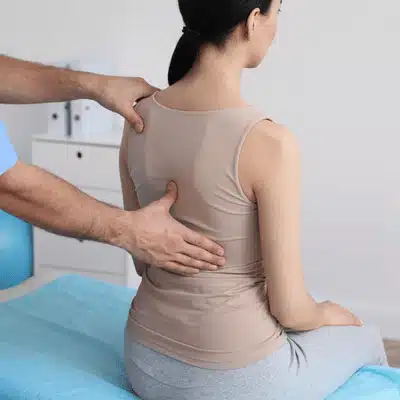
Among conservative options, chiropractic scoliosis pain treatment stands out. Here’s how it benefits scoliosis patients:
Complete Spine Assessment
Chiropractors evaluate spinal alignment and nerve function. They review X-rays and analyze posture to understand your curve. This exam identifies which areas cause the most pain.
Gentle Adjustments
Spinal adjustments use controlled force to realign vertebrae. These don’t permanently straighten curves but improve how your spine moves. Adjustments relieve pressure on nerves and ease muscle tension.
Many patients report less pain and easier movement after regular visits.
Improved Function Without Drugs
Chiropractic scoliosis pain treatment reduces pain and improves function naturally. Adjustments decrease joint inflammation. Some studies show improved quality of life when chiropractic combines with exercise.
Muscle Work and Rehab
Treatment includes trigger-point therapy and myofascial release. You’ll learn stretches and exercises tailored to your curve. Strengthening core and back muscles supports spinal alignment.
Lifestyle Guidance
Your chiropractor advises on ergonomics and posture. They recommend ways to sit, sleep, and lift that reduce back stress. They may suggest nutrition tips for bone health.
Important: Chiropractic can’t cure scoliosis or reverse the curve. But it excels at managing pain and improving daily function. You can live actively and comfortably with regular care.
Can chiropractic care fix my scoliosis curve?
No, chiropractic can’t straighten a scoliosis curve permanently. However, it effectively manages pain and improves function through adjustments and exercises.
How soon should I see a chiropractor for scoliosis pain?
Seek care if pain lasts more than 1-2 weeks despite home treatment. Early intervention prevents pain from becoming chronic or severe.
Is chiropractic safe for scoliosis patients?
Yes, when performed by a trained chiropractor, adjustments are safe for scoliosis. They use gentle techniques appropriate for curved spines.
What’s the difference between chiropractic and physical therapy?
Both help with scoliosis pain. Chiropractors focus on spinal adjustments and alignment. Physical therapists emphasize exercise and movement patterns. Many patients benefit from both.
How many chiropractic sessions do I need?
Treatment varies by individual. Some patients feel relief after a few visits. Others need regular ongoing care to manage chronic symptoms effectively.
Will I need surgery for my scoliosis pain?
Most people don’t need surgery for scoliosis pain. Non surgical scoliosis pain relief methods like chiropractic and therapy work well for managing symptoms.
Living Better With Scoliosis
Living with scoliosis pain doesn’t mean suffering in silence. The sooner you seek care, the faster you’ll find relief. Most experts agree that starting with conservative treatments is best. Options like chiropractic carry minimal risk and substantially improve daily comfort. Many patients maintain high quality of life through these approaches.
Ready to find relief? Contact Heart of Texas Chiropractic in Waco today. Dr. Goodman and our team specialize in gentle, personalized care for spine conditions. We help patients achieve scoliosis pain relief through proven non-surgical methods. Call us now to schedule your consultation and start your journey toward better health and less pain.