 (254) 776-1030
If you’re searching for scoliosis treatment near me, you’ve likely noticed something unusual about your teen’s posture. Scoliosis is an abnormal sideways curve of the spine. It often appears during the teen years. Early detection matters. This guide will help you spot the signs and understand your treatment options.
Table of Contents
Understanding Teen Scoliosis
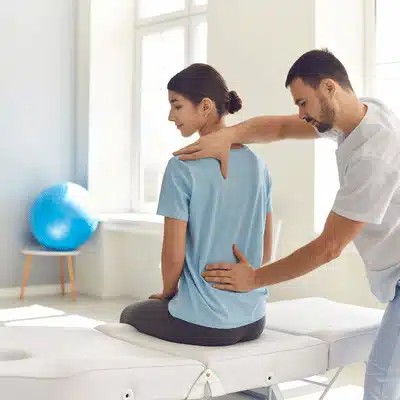
About 2-3% of people have scoliosis, according to Mayo Clinic. The most common type in teens is idiopathic scoliosis. This means doctors don’t know what causes it. It typically shows up between ages 10 and 18 during growth spurts. Girls face a higher risk than boys for curves that need treatment.
Many teens with scoliosis feel no pain at first. Your child might feel fine even with a significant curve. This makes visual signs even more important for parents to catch early.
Mild curves under 20-25 degrees often just need monitoring. Moderate curves between 25-40 degrees may require bracing. Severe curves over 40-50 degrees might need surgery. The good news? Catching it early gives you more treatment options.
Key Signs Your Teen May Need Scoliosis Treatment Near Me
Watch for these common warning signs that signify if you need to look up scoliosis treatment near me:
Uneven shoulders or shoulder blades: One shoulder sits higher than the other. One shoulder blade may stick out more.
Tilted waist or hips: One hip appears raised higher. The space between one arm and body looks smaller when standing relaxed.
Head not centered: Your teen’s head doesn’t line up over their pelvis. They constantly lean to one side.
Clothes fit oddly: Shirt sleeves appear longer on one side. Hemlines and waistbands look uneven. Dresses or jackets shift to one side.
Visible rib hump when bending: The Adams forward bend test can reveal this. Have your teen bend forward at the waist. One side of the back or ribs may appear higher.
One leg seems longer: The hip tilt can make one leg appear longer. Your teen might favor one leg when standing.
Back discomfort or fatigue: While early scoliosis rarely causes pain, teens may feel muscle fatigue. This happens especially after sports or carrying heavy backpacks.
Even one or two of these signs means it’s time for a professional check. A simple exam can confirm if scoliosis is present.
Why Early Treatment Matters
Facts from Hospital for Special Surgery
Mild curves need monitoring only
Moderate curves often require bracing
Bracing prevents progression in about 75% of cases
Severe curves may require surgery
You might wonder why rushing to find teen scoliosis treatment near me is necessary. Here’s the truth: scoliosis can worsen quickly during growth phases.
Small curves usually stay small. But moderate curves can progress fast during teenage growth spurts. Once a curve passes 40-50 degrees, options become more invasive.
Consider these facts from Hospital for Special Surgery:
- Mild curves (under 25 degrees) need monitoring only
- Moderate curves (25-40 degrees) often require bracing
- Bracing prevents progression in about 75% of cases
- Severe curves (over 45-50 degrees) may require surgery
Early detection means more choices. Your teen might benefit from simple exercises or nighttime bracing. This beats full-time bracing or surgery later. Children’s Hospital of Philadelphia research shows that part-time bracing in younger patients can improve small curves over time.
Waiting without action lets the curve worsen. Finding quality scoliosis treatment near me early gives your child the best chance at a normal, active life.
Non Surgical Scoliosis Treatment for Teens
Most teen scoliosis cases don’t require surgery. Non surgical scoliosis treatment for teens includes several options:
Bracing
Braces are the main treatment for moderate curves. Modern braces are lighter and more comfortable than old models. They fit under the arms and around the torso. Most teens can hide them under clothes.
Key facts about bracing:
- Worn 13-18 hours daily (not during sports or showers)
- Nighttime-only braces work for some curve types
- Prevents further curvature during growth
- Compliance is critical for success
Physical Therapy and Exercises
The Schroth method offers exercises tailored to each patient’s specific curve. Research from Hong Kong Medical Journal shows these exercises improve posture and reduce pain.
Core-strengthening exercises help support the spine. They may slow curve progression. A physical therapist should guide your teen’s program.
Chiropractic Care
Many families explore chiropractic treatment as part of their approach. A chiropractor for teen scoliosis near me will assess spine alignment and muscle tension.
Chiropractic care offers:
- Specific spinal adjustments
- Stretching and posture training
- Relief from discomfort
- Support alongside other treatments
Chiropractic adjustments won’t reverse a significant curve. But they may help with pain and improve posture. Choose a provider experienced with teen scoliosis.
Regular Monitoring
All treatments require regular check-ups every 4-6 months. Doctors use physical exams and X-rays to measure the curve. This ensures treatment is working properly.
Finding a Chiropractor for Teen Scoliosis Near Me
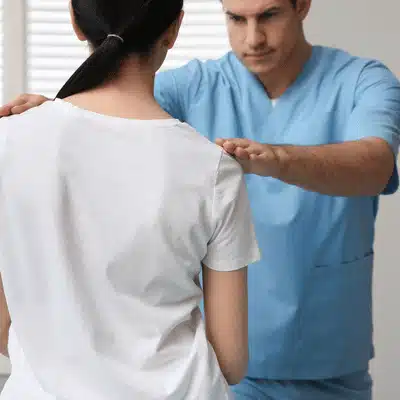
You want the best care close to home. Start with your pediatrician for an initial screening. They can confirm scoliosis and refer you to specialists.
Look for providers who:
- Have experience with adolescent scoliosis
- Take a holistic approach to spine health
- Work with your teen’s medical team
- Offer personalized treatment plans
For families in Waco, Texas and nearby areas, Heart of Texas Chiropractic provides evaluations and personalized care. Our team focuses on improving posture and promoting overall wellness for teens. We offer a welcoming environment where your child feels comfortable.
Trust your instincts as a parent. If you notice uneven shoulders, a tilted waist, or other warning signs, get your teen checked. Early action makes treatment more effective and less invasive.
Frequently Asked Questions
What age does scoliosis usually appear in teens?
Scoliosis typically shows up between ages 10 and 18. It often develops during growth spurts when the spine grows quickly.
Can teen scoliosis be fixed without surgery?
Yes, most cases can be managed with bracing, exercises, and chiropractic care. Surgery is only needed for severe curves over 45-50 degrees.
How often should my teen see a specialist for scoliosis?
Teens with scoliosis need check-ups every 4-6 months. This allows doctors to monitor the curve and adjust treatment as needed.
Does scoliosis cause back pain in teenagers?
Early scoliosis rarely causes significant pain. If your teen has severe back pain, doctors will check for other issues beyond typical scoliosis.
Will wearing a brace cure my teen’s scoliosis?
Braces don’t cure scoliosis or straighten the spine completely. They prevent the curve from getting worse during growth. This is still highly valuable.
Can my teen still play sports with scoliosis?
Yes, most teens with scoliosis can stay active. They remove braces during sports. Exercise actually helps strengthen the muscles that support the spine.
Take Action for Your Teen’s Spine Health
Today’s advances in bracing and exercise programs give teens a great chance to avoid surgery. With proper care, your child can stay active and pain-free. Finding quality scoliosis treatment near me ensures your teen grows up with a healthy spine.
Ready to get your teen evaluated? Contact Heart of Texas Chiropractic in Waco for a comprehensive scoliosis assessment. Our experienced team will create a personalized treatment plan for your child. Call us today to schedule your consultation.