 (254) 776-1030
Scoliosis pain relief starts with knowing what is causing the pain. Some people feel tight muscles, stiff joints, or back aches. Others feel leg pain, tingling, or numbness from nerve pressure. The right care plan depends on age, curve size, symptoms, and daily needs.
Table of Contents
What Scoliosis Pain Can Feel Like
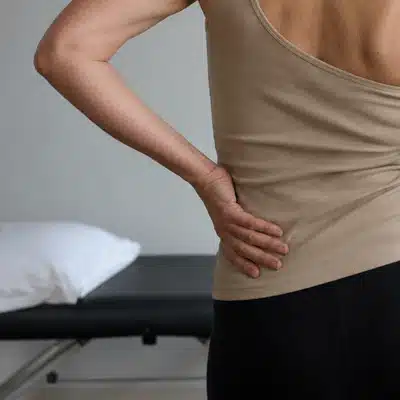
Scoliosis means the spine has a side-to-side curve. It may look like an “S” or “C” shape on an X-ray.
Pain is not the same for every person.
In teens, scoliosis is often found because of uneven posture. A parent may notice one shoulder sits higher. One hip may also look raised. Back pain can happen, but severe pain in teens should be checked.
In adults, pain is more common. The spine may change with age, wear, or disc stress. This can lead to sore muscles, stiff joints, and back pain.
Some adults also feel symptoms like sciatica. These may include:
- Pain in one leg
- Tingling or numbness
- Weakness in the leg or foot
- Pain that gets worse with standing or walking
A 2024 review in the Journal of Clinical Medicine said scoliosis affects about 8% of adults over 25. It may affect up to 68% of adults over 60 due to age-related spine changes.
Scoliosis Pain Relief Options That May Help
Scoliosis Pain Relief Options That May Help
Physical Therapy
Eases pain through strength, mobility, and posture work.
Chiropractic Care
Helps stiffness and movement, but won’t straighten scoliosis.
Bracing
Used for growing teens to limit curve progression.
Medical Pain Care
Helps pain from nerves, disc wear, or narrowing.
Surgery
Considered only for severe curves or nerve pressure.
Scoliosis care should match the person, not just the curve. A safe plan may include exercise, pain care, bracing, or a spine referral.
1. Physical Therapy and Home Exercise
Physical therapy can help many people with scoliosis back pain. The American Academy of Orthopedic Surgeons says physical therapy and home exercise can help back pain linked to scoliosis.
A care plan may focus on:
- Core strength
- Hip and back mobility
- Posture habits
- Balance and daily movement
- Gentle stretching
Some people may also do Schroth-based exercises. These are scoliosis-focused moves that use posture, breath, and muscle control.
Exercise does not “erase” the curve. It can help reduce pain and improve how the body moves.
2. Chiropractic Care
Chiropractic care may help ease pain, stiffness, and limited movement. It works best as part of a full care plan.
A chiropractor may use gentle spine care, soft tissue work, and home tips. The goal is to help the body move better and reduce stress on sore areas.
Chiropractic care has not been proven to straighten scoliosis. It has also not been proven to stop curve growth. This is why good care includes screening and referral when needed.
If you search for scoliosis treatment near me, choose a clinic that checks your full history. The provider should also know when to refer you for imaging or spine care.
3. Bracing
Bracing is often used for growing teens with moderate curves. It is most common when the curve is about 25 to 40 degrees.
Bracing helps lower the risk of the curve reaching the surgery range. The BrAIST study in the New England Journal of Medicine found that bracing helped reduce curve growth in high-risk teens.
Adults may use braces in select cases for support or short-term pain relief. Adult bracing is not the same as teen bracing. It is usually used for comfort and posture support.
4. Injections or Medical Pain Care
Some adults have nerve pain linked to scoliosis, disc wear, or spinal narrowing. In these cases, a medical provider may suggest injections.
These may help with leg pain, tingling, or numbness for some people. Relief can vary from person to person.
A spine doctor may also talk about medicine, imaging, or other pain care options.
5. Surgery
Surgery is not the first step for most people. It is often discussed when a teen’s curve reaches about 45 to 50 degrees.
For adults, surgery may be discussed when there is severe nerve pressure, poor function, or major pain that does not improve. Surgery has risks and a long healing time.
Back pain alone is usually not enough reason for surgery. A spine specialist can explain the best options.
Can Chiropractic Care Help Scoliosis Pain Relief?
Chiropractic care may help with scoliosis pain relief by reducing stress in tight muscles and stiff joints. It may also help people move with less pain.
A chiropractic care plan may include:
- Gentle joint care
- Soft tissue work
- Posture coaching
- Stretching tips
- Home exercise support
- Referral when symptoms need medical care
This can help with back aches, neck tightness, and general spine pain. It may also help reduce stress around areas that feel like vertebrae pain.
The term vertebrae pain is not a formal diagnosis. It often means pain near the bones, joints, discs, or muscles of the spine. A proper exam helps find the true cause.
When to See a Spine Specialist
Some symptoms should not be ignored. Get checked if pain is severe, new, or getting worse.
You should seek care right away if you have:
- Leg weakness
- Loss of bladder or bowel control
- Numbness in the groin area
- Fever with back pain
- Pain after a fall or injury
- severe pain in a child or teen
- Pain that keeps getting worse
If you search for sciatica treatment near me, tell the provider if you have scoliosis. Leg pain may come from nerve pressure, disc issues, or spinal narrowing.
A full exam can help you avoid the wrong care plan.
Can chiropractic care help with scoliosis pain relief?
Yes, receiving chiropractic care may help ease tense muscles, stiffness, and back pain. Additionally, it can enhance mobility for everyday duties. It has not been shown to inhibit curve growth or straighten the spine. Exercise and appropriate supervision make it most effective.
How can scoliosis pain be effectively treated?
Your age, curvature, degree of pain, and symptoms will determine the best course of action. Exercise, posture correction, and gentle hands-on care are common first steps. Some might require spine referrals, injections, imaging, or bracing. The plan is guided by a proper exam.
When should I search for scoliosis treatment near me?
Look for care if you have ongoing back pain, uneven posture, or pain that affects daily life. You should also seek care if you feel leg pain, tingling, or numbness. Teens with severe pain should be checked. Early care can help you understand your options.
Can scoliosis cause sciatica symptoms?
Yes, adults with scoliosis may feel sciatica-like symptoms. This can happen when nerves are stressed by disc wear, joint changes, or spinal narrowing. Symptoms may include leg pain, tingling, or numbness. A full exam can help find the true cause.
What does vertebrae pain mean?
Vertebrae pain often means pain felt near the spine bones. The pain may come from joints, muscles, discs, or nerve stress. It is not a full diagnosis by itself. A provider can check what is causing the pain.
Does scoliosis always need surgery?
No, most people with scoliosis do not need surgery. Teens may need surgery when curves reach about 45 to 50 degrees. Adults may need surgery for severe nerve pressure or poor function. Many cases can be managed with non-surgical care.
Scoliosis pain relief starts with the right exam and a plan built around your needs. Hot Chiropractic helps patients manage back pain, stiffness, and spine-related discomfort with careful, hands-on care and clear guidance.
Book your scoliosis assessment today and take the next step toward moving with less pain.