 (254) 776-1030
If you have lower back pain that feels like deep tightness beside your spine, your erector spinae muscle may be involved. These long back muscles help you stand, bend, twist, and maintain good posture. When they are strained or overworked, they can cause aching, stiffness, and tight back muscles. Most mild cases improve with simple care, steady movement, and the right support.
Table of Contents
What Is the Erector Spinae Muscle?
The erector spinae muscle is a group of muscles that runs along both sides of your spine. It includes three main parts:
- Iliocostalis
- Longissimus
- Spinalis
These muscles help you stand upright. They also help you extend your back, bend to the side, rotate, and keep your spine stable.
Because these muscles work all day, they can become tired or sore. This is common in people who sit for long hours, lift often, train hard, or work in awkward positions.
How Erector Spinae Pain Can Cause Lower Back Pain
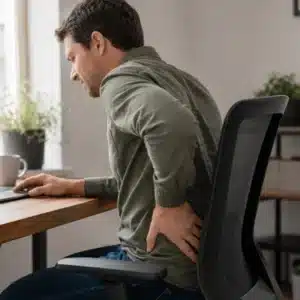
Erector spinae pain often feels like a deep ache beside the spine. It may affect the mid back, lower back, or both.
The pain is often muscle-related. It may feel worse when you bend, twist, stand for too long, or sit with poor posture. Cleveland Clinic notes that back strains can cause pain, spasms, stiffness, and trouble moving.
This type of lower back pain is often linked to muscle overload. It is usually not caused by one single movement. It often builds up from poor movement habits, weak support muscles, or doing too much too soon.
What Causes an Erector Spinae Strain?
When tendons or muscle fibers are stretched past their typical limits, an erector spinae strain results. This is also referred to as a spinal erector strain by others.
Typical reasons consist of:
- Heavy lifting
- Abrupt twisting
- Bending while bearing a load
- Extended periods of sitting
- Bad posture at the desk
- Overindulgence in sports or the gym
- Weak core or hip muscles
- A sudden increase in activity
A strain may cause small tears in the muscle fibers. This can lead to pain, swelling, tightness, and muscle guarding.
Tight Erector Spinae Symptoms
Tight erector spinae symptoms can vary from mild stiffness to sharper pain. Many people feel it on one or both sides of the spine.
Common signs include:
- Dull aching beside the spine
- Sharp pain with twisting or bending
- Muscle spasms
- Stiffness after sitting
- Tenderness when touched
- Pain when arching the back
- Reduced range of motion
- Tight back muscles in the mid or lower back
A tight erector spinae does not always mean the muscle is truly short. Often, the muscle is guarding the area because it feels irritated or tired. Gentle movement and gradual strength work usually help more than forceful stretching.
Muscle Pain vs. Nerve Pain
| Symptom | More Like Muscle Pain | More Like Nerve Pain |
| Pain location | Beside the spine | Down the leg |
| Pain type | Ache, tightness, spasm | Burning, tingling, electric pain |
| Movement | Worse with bending or twisting | Worse with coughing or nerve tension |
| Weakness | Usually mild or absent | May cause clear leg weakness |
| Urgency | Often improves with care | Needs care if numbness or weakness appears |
Thoracic vs. Lower Back Erector Spinae Pain
Erector spinae pain can happen in the thoracic spine or lumbar spine.
The thoracic spine is your upper and mid back. Pain here may feel like tightness near the ribs or shoulder blades. It is often linked to desk work, poor posture, or repeated upper body movement.
The lumbar spine is your lower back. Pain here is often linked to lifting, bending, standing, or carrying weight.
Both areas can feel stiff and sore. Both can also improve with the right mix of movement, rest, and strength work.
How to Relieve Thoracic Pain From Spinal Erector Muscles
Many people ask, “How can I relieve thoracic pain related to spinal erector muscles?”
Step into it slowly. Don’t lie in bed for days. Long rest can delay recovery. Back strain. Cleveland Clinic suggests returning to normal activity as tolerated.
How to Relieve Thoracic Pain
Apply Ice Early
If the pain is new or sharp, apply ice for the first 24 to 48 hours.
Use Heat Later
Heat may help ease stiffness and spasms after the initial phase.
Keep Moving
Try short walks and light daily activity instead of staying in bed too long.
Avoid Hard Lifting
Give the sore area time to settle before lifting heavy items again.
Stretch Gently
Use light stretches only. Avoid deep, forceful, or painful stretching.
Build Strength Gradually
Over time, strengthen your core, hips, and back for better support.
Fix Your Setup
Raise your screen, support your lower back, and take small posture breaks.
Try these steps:
Apply ice early. If the pain is new or sharp, apply ice for the first 24-48 hours.
Later, apply heat. Heat may help with stiffness and spasms after the initial phase.
Keep moving. Help with short walks and light daily activity.
Don’t lift the hard way. Let the site get settled down.
Gentle stretch. Don’t overdo the deep stretching.
Build strength gradually. Over time, build your core, hips, and back.
Fix your setup. Raise your screen, support your lower back, and take little breaks.
For better relief from back muscle pain, focus on steady progress. Quick fixes may ease pain for a while, but strength and movement help reduce repeat flare-ups
Can a Chiropractor Help With Muscle Pain?

Yes, a chiropractor can help with some cases of muscle-related back pain. This works best when care includes a proper exam, movement advice, exercise, and hands-on treatment when needed.
A 2026 Cochrane review found that spinal manipulative therapy may help some adults with chronic low back pain. The benefit can vary from person to person. This is why care should be based on your symptoms, health history, and movement limits.
Chiropractic care may help by:
- Checking how your spine and joints move
- Finding painful movement patterns
- Reducing joint and muscle stiffness
- Guiding safe exercise
- Helping you return to normal activity
Manual care should not be the only plan. The best results often come from hands-on care plus home exercises and daily habit changes.
When to Seek Care
Most mild back strains improve within days to a few weeks. Get checked sooner if your pain is severe, keeps coming back, or limits daily life.
Seek prompt care if you have:
- Pain after a fall or major injury
- Fever with back pain
- Unexplained weight loss
- History of cancer
- New numbness or weakness
- Pain going down the leg with weakness
- Loss of bladder or bowel control
- Pain that gets worse at night
- Pain that does not improve with basic care
These signs do not always mean something serious. But they should be checked by a health professional.
What is an erector spinae strain?
An erector spinae strain is an injury to the long muscles beside your spine. It can happen from lifting, twisting, overuse, or poor posture. It may cause pain, tightness, spasms, and trouble bending.
What does erector spinae pain feel like?
It often feels like a deep ache or a tight band beside the spine. Some people feel sharp pain when twisting or arching their back. It may affect the mid back, lower back, or both.
Can tight back muscles cause lower back pain?
Yes. Tight back muscles can lead to stiffness, soreness, and lower back pain. The tightness often comes from muscle fatigue, guarding, or overload. Gentle movement and strength work can help.
How can I relieve thoracic pain related to the spinal erector muscles?
Start with light movement, posture breaks, and gentle stretching. Ice may help in the first 24 to 48 hours if the pain is new. Heat may help later if the area feels stiff or tense.
Can a chiropractor help with muscle pain?
Yes, a chiropractor can help with some muscle-related back pain. Care may include an exam, spinal or joint work, movement advice, and home exercises. It works best as part of a full care plan.
When should I worry about erector spinae pain?
Seek care if you have numbness, weakness, fever, weight loss, bladder changes, or pain after trauma. You should also get checked if pain keeps getting worse or does not improve with basic care.
Erector spinae pain is a common reason for tight back muscles, stiffness, and lower back pain. Most cases improve with gentle movement, smart rest, better posture, and gradual strength work. If pain keeps coming back or affects your daily routine, do not ignore it.
Ready to learn more about lower back pain care? Book an appointment today and get a care plan built around your symptoms, movement, and goals.